Shopping Excursion: Charnay, France in the Beaujolais
February 15, 2017, posted by Michelle – Le Monsieur and I went to the southern part of the Beaujolais region this past weekend on an antique hunting trip. It’s only about a 30 minute drive north of Lyon and there are a few roadside antique shops that I had been wanting to visit. I’ll get to that in a minute but for now I have a little histoire.
This particular part of the Beaujolais, apart from being known for wine, is also known for the golden limestone (pierres dorées) that was used to construct some of the oldest buildings in the 30 or so villages found here. The warm color of the stones reflects the sunlight, bathing the facades in an array of deep, rich hues. It’s obvious to see why this area is nicknamed “Little Tuscany’.
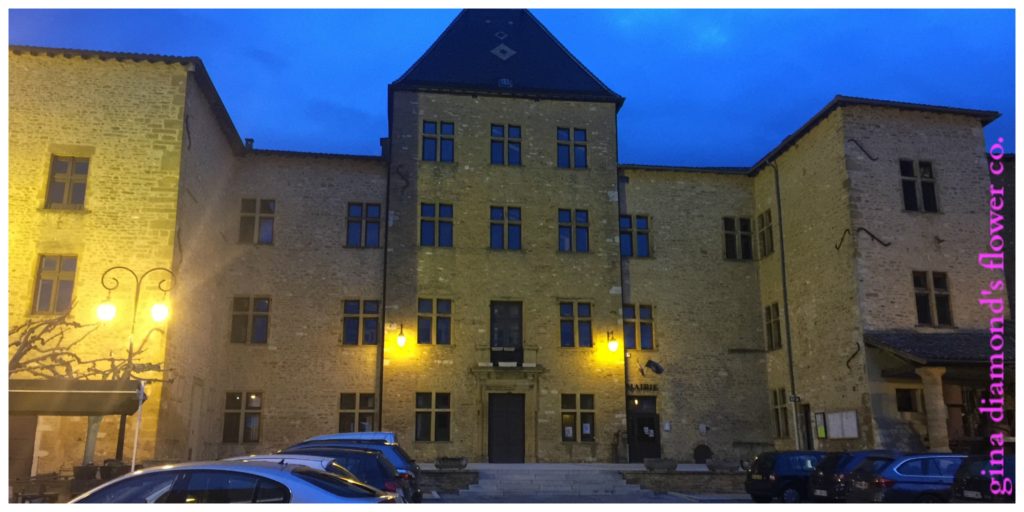
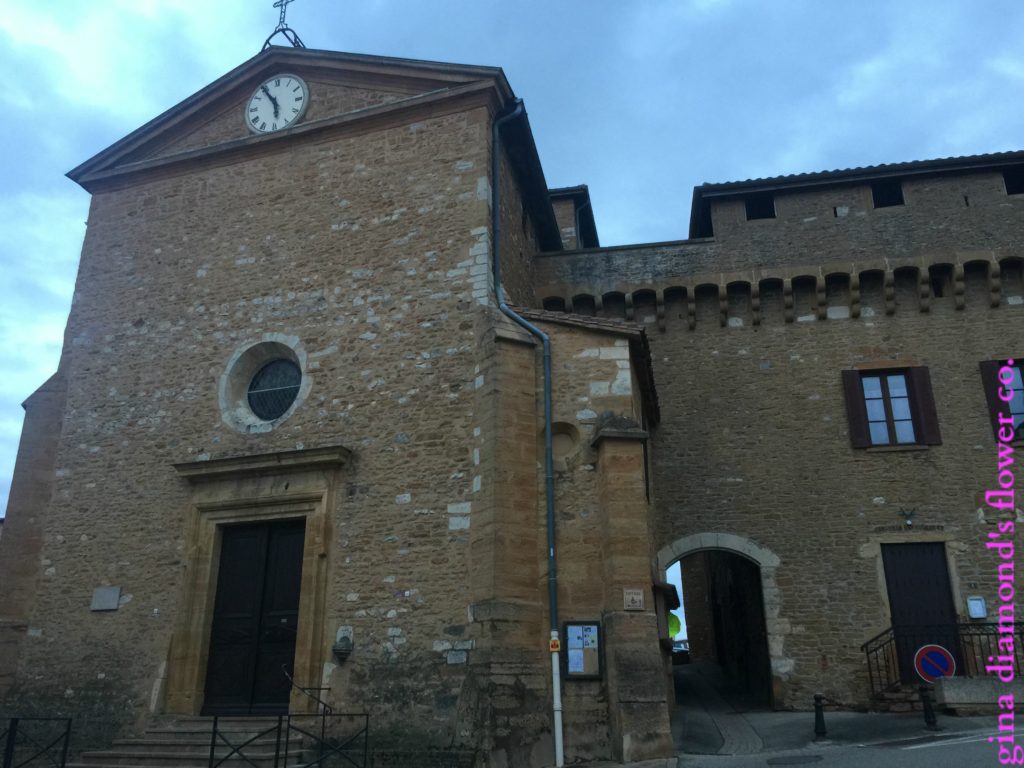
We stopped in Charnay, a village that was presumably founded in the 2nd century by a Roman legionnaire. The Counts of Forez and Lyon ruled the village until 1175 when ownership passed to the Archbishop of Lyon. Throughout the following centuries possession of the village passed from one aristocratic family to the next. In 1650 the Du Lieu family built the Mansarde Castle (pictured above) which the town of Charnay bought in 1948. It houses the City Hall today.
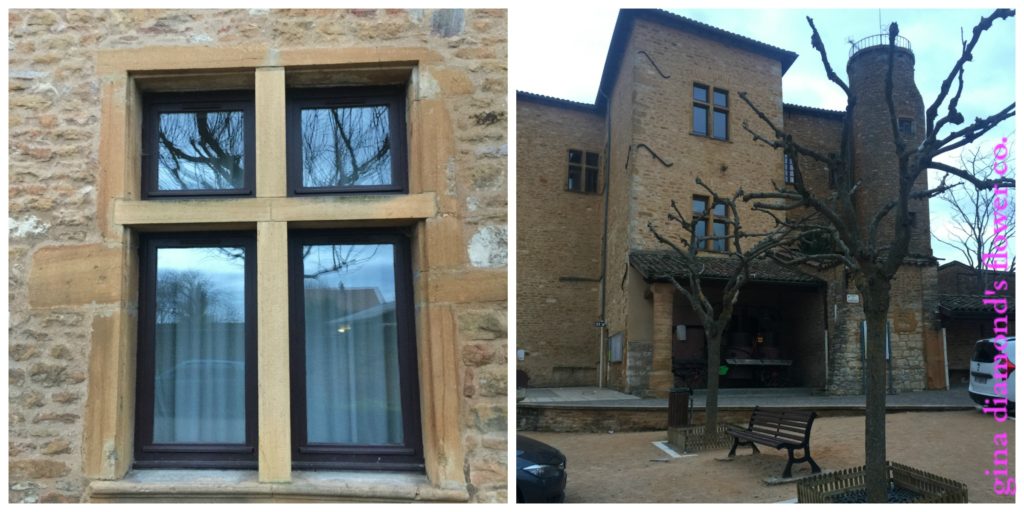
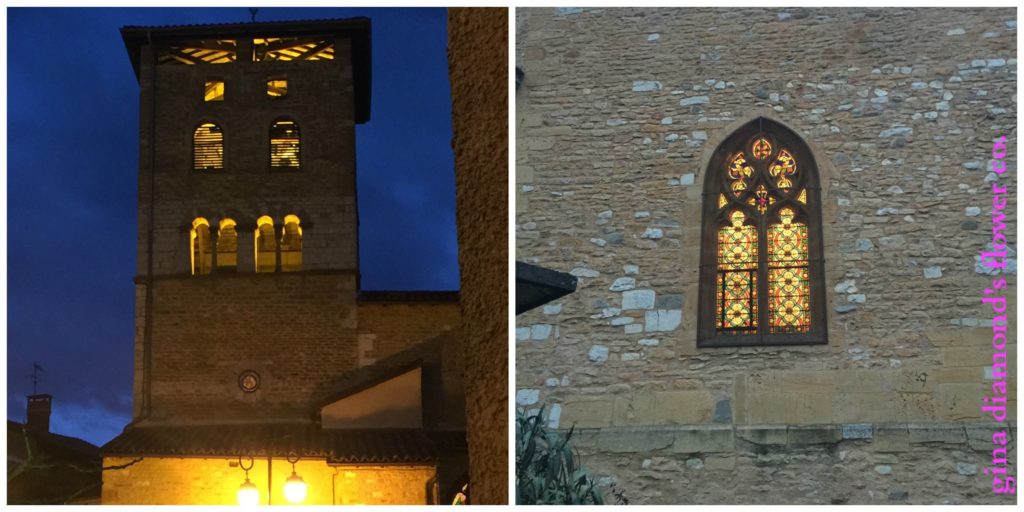
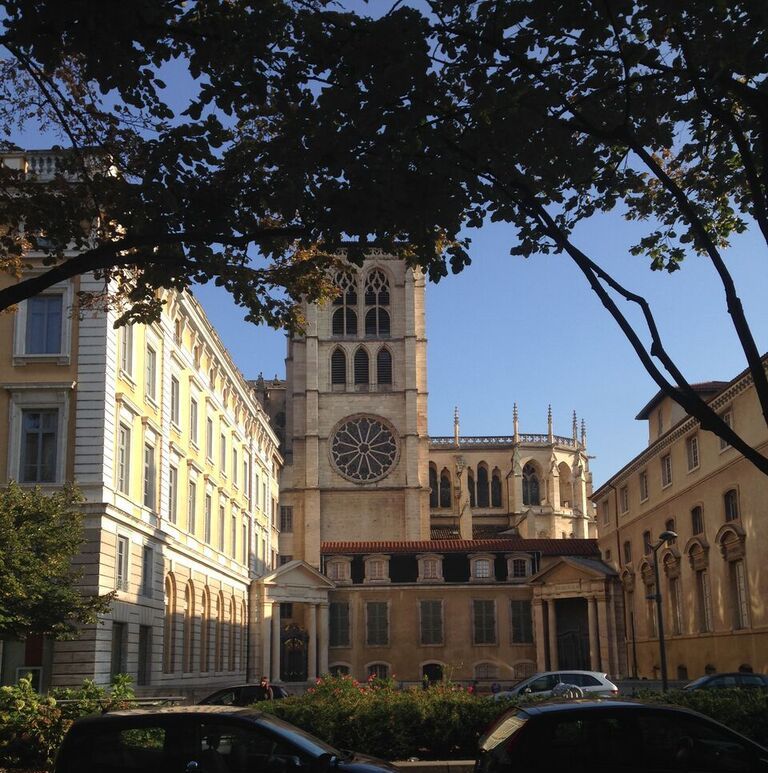
Construction of the church here started in 1150 and incorporates both Romanesque and Gothic styles. The fort next to the church was built between the 12th and 13th centuries. The narrow streets are lined with houses built in the 19th century using the beautiful pierres dorées, golden stones. It’s one of many pretty, well preserved pierres dorées villages in the southern Beaujolais.
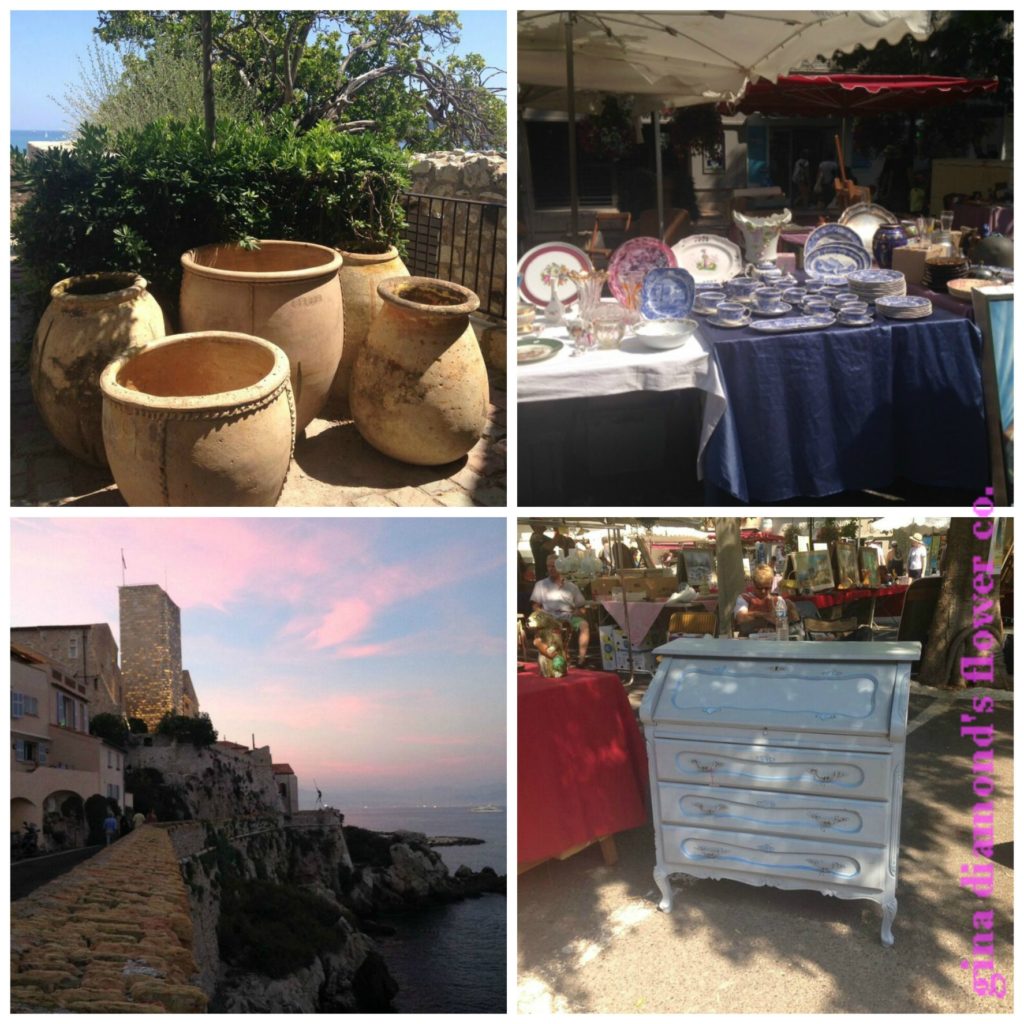
Now back to the antiquing…We stopped at three antique shops that were jam packed from floor to ceiling with everything and anything old. In one place there were so many rows of furniture that it was impossible to see anything beyond the first row. Finally, I came to a cleared out section of pottery, old plates and majolica. There were also five or six very old painted wooden carousel horses and piles of old wooden doors. That’s what’s so fun about these places, you never know what you’ll come across.
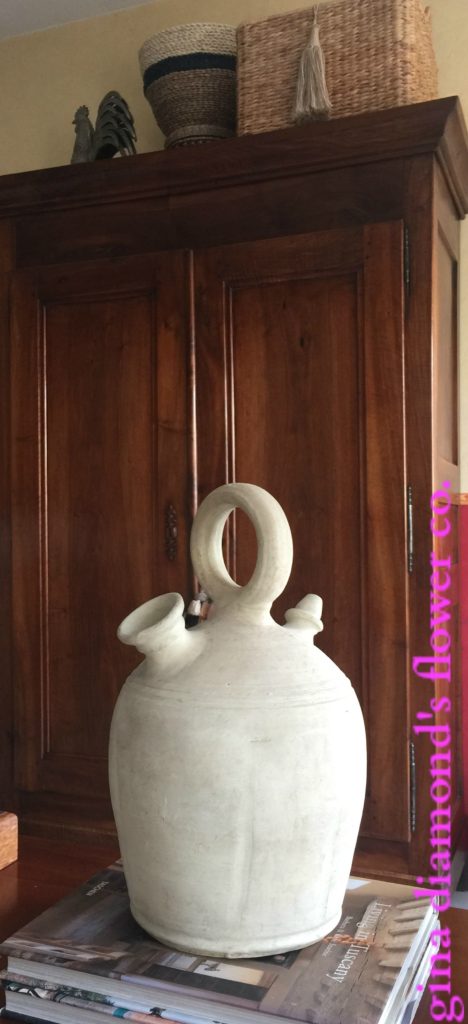
I ended up finding an interesting piece of white clay pottery called a bojito. These jugs were used in Spain in the 19th and early 20th centuries for keeping drinking water cool. This one came from a pottery in Agost, Spain called La Nava where they are still made in the traditional way.
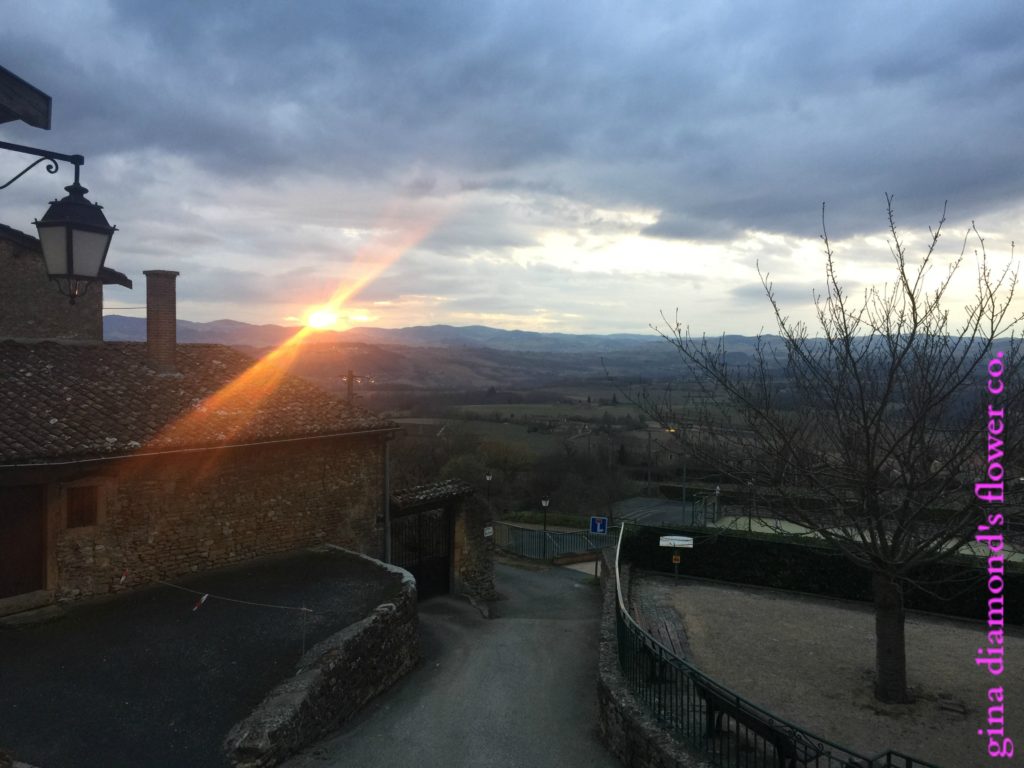
We’ll being going back to the southern Beaujolais again soon because we also discovered several lots full of old windows, doors, stone architectural details and such. It would be fun digging through those things to see what we can find. But the beauty of this region dotted with vineyards and pierres dorées villages is reason enough to return. My photos don’t really show how pretty the stones here are since we were there at dusk. Visit the Beaujolais Pierres Dorées website to see more photos that showcase the pierres dorées of the villages and castles here.

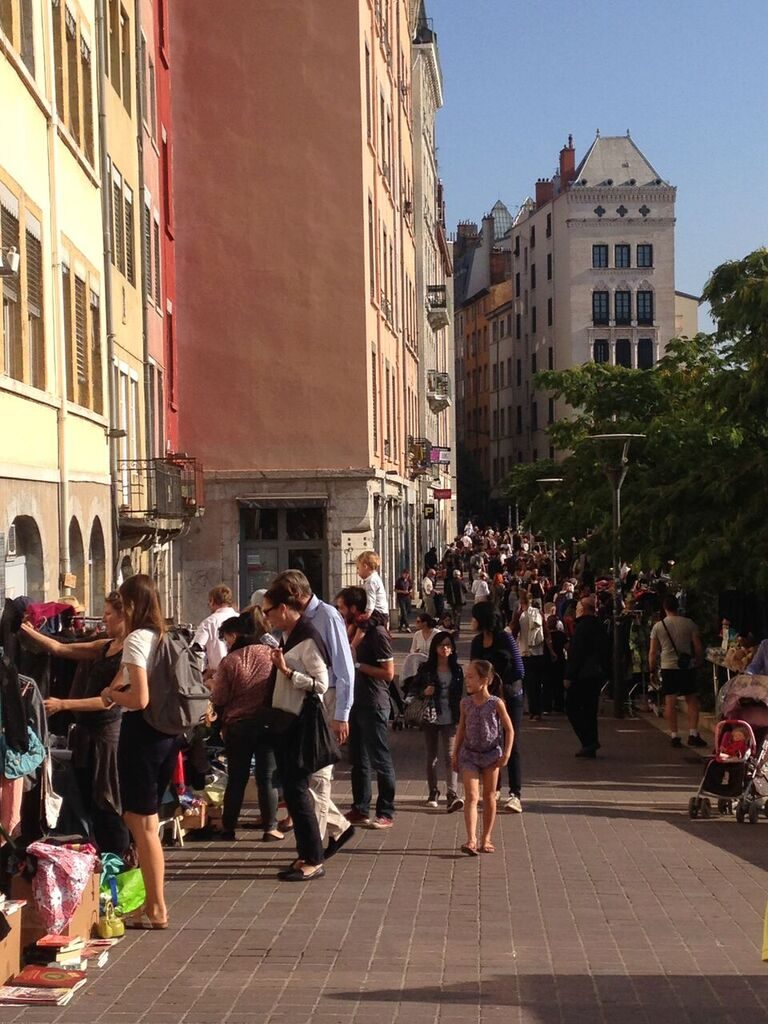 It’s a pleasure just walking around the Saint Georges quarter. It’s part of Vieux Lyon, Lyon’s Old City, which is a large neighborhood comprising three districts of intact medieval and Renaissance-era buildings. So, I found myself in an architecturally rare and unique neighborhood on a sunny Fall day doing what I love to do…buying interesting and beautiful things for GDFC (and a few things just for me).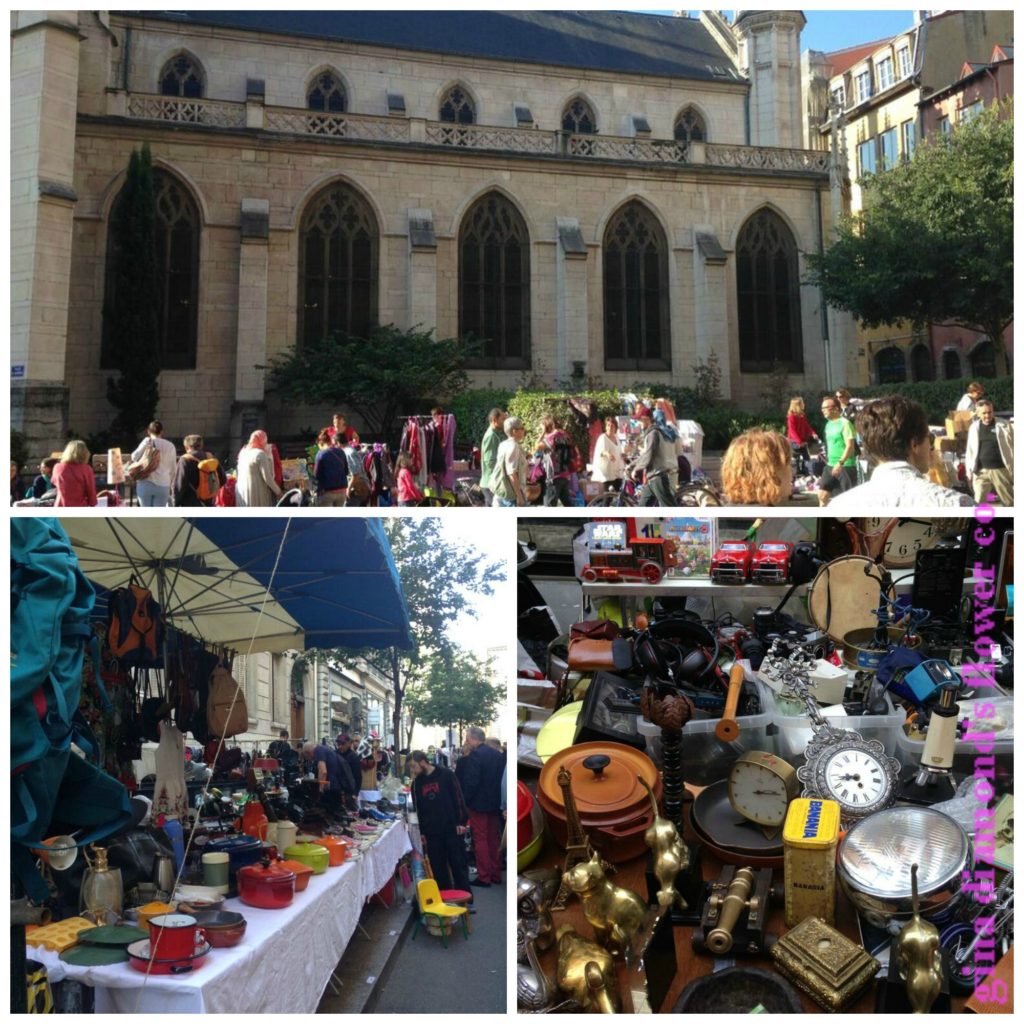



 May 8, 2016, posted by Michelle – La Voie Verte (The Green Way) is a long trail that cuts a straight line through the highest point of Caluire et Cuire, a small suburb of Lyon where I live. It’s a peaceful pathway built on an old rail line where people run, bike, walk their dogs and just enjoy nature. Midway along the trail is a very well maintained collection of mini gardens that reflects the horticultural history of the area. There’s also a small vistor’s center with an interactive display and a refreshment stand inviting you to linger a bit longer.
 Val Foron, located in the heart of Caluire, is one of only two remaining urban vineyards in greater Lyon. It was cultivated by Christian Brothers monks over 150 years ago and produces about 2,500 bottles of a Gamay – Pinot Noir blend annually. So, in the Voie Verte garden there’s a small terraced grouping of vines honoring Caluire’s wine making history. If you’d like to see the Val Foron vineyard and some of the dedicated volunteers who tend it and make the wine
  After WWI, community gardens became wildly popular as families could grow their own fruits and vegetables, including some local varieties like black turnips and
  Lastly, many religious institutions owned vast parcels of land in Caluire over the centuries. One type of garden found within these agricultural domains was called a “priest’s garden”. Usually laid out in the form of a cross, they grew flowers destined for chapels and churches, medicinal plants, herbs, fruits and vegetables. The mini gardens are a mini lesson in the history of Caluire!